Click here to watch a video on this workshop.
Dr. Adrienne Strong’s ongoing National Science Foundation (NSF) funded research on pain and palliative care in Tanzania recently included a joint workshop with collaborators from Tanzania and the African Center for Research on End-of-Life Care (ACREOL), based in Kigali, Rwanda. The broader project, entitled “Effects of pain management on pain concepts and experiences,” explores pain care at two main sites in Tanzania, the Ocean Road Cancer Institute (ORCI) in Dar es Salaam and Tosamaganga Regional Referral Hospital and surrounding communities in Iringa District Council in Iringa region. Nearly 75% of the world population lacks consistent access to opioids, such as morphine, for medical use, leaving over 5.5 billion people without the means to manage severe acute and chronic pain if or when they need it (International Narcotics Control Board [INCB] 2016). Access to pain relief, and accompanying palliative care, have been referred to as “some of the most neglected dimensions of global health today” (Horton 2017). Questions persist about pain treatment and how people understand the character of pain itself in different settings because of the complex political economic, technocratic, and cultural histories that shape pain and associated care. This project examines pain care practices and utilizes these as a window onto beliefs and sociocultural values related to pain, its management, and care more generally. Examining pain care practices also reveals inequities in access to biomedical care. Care practices and the social exchanges around them are fertile ground for understanding how social relations transform in the intersubjective spaces of pain management. Examining pain and pain care practices also produces insight into current desired locations of care, interrogating assumptions about the desire for pain care in any one location.
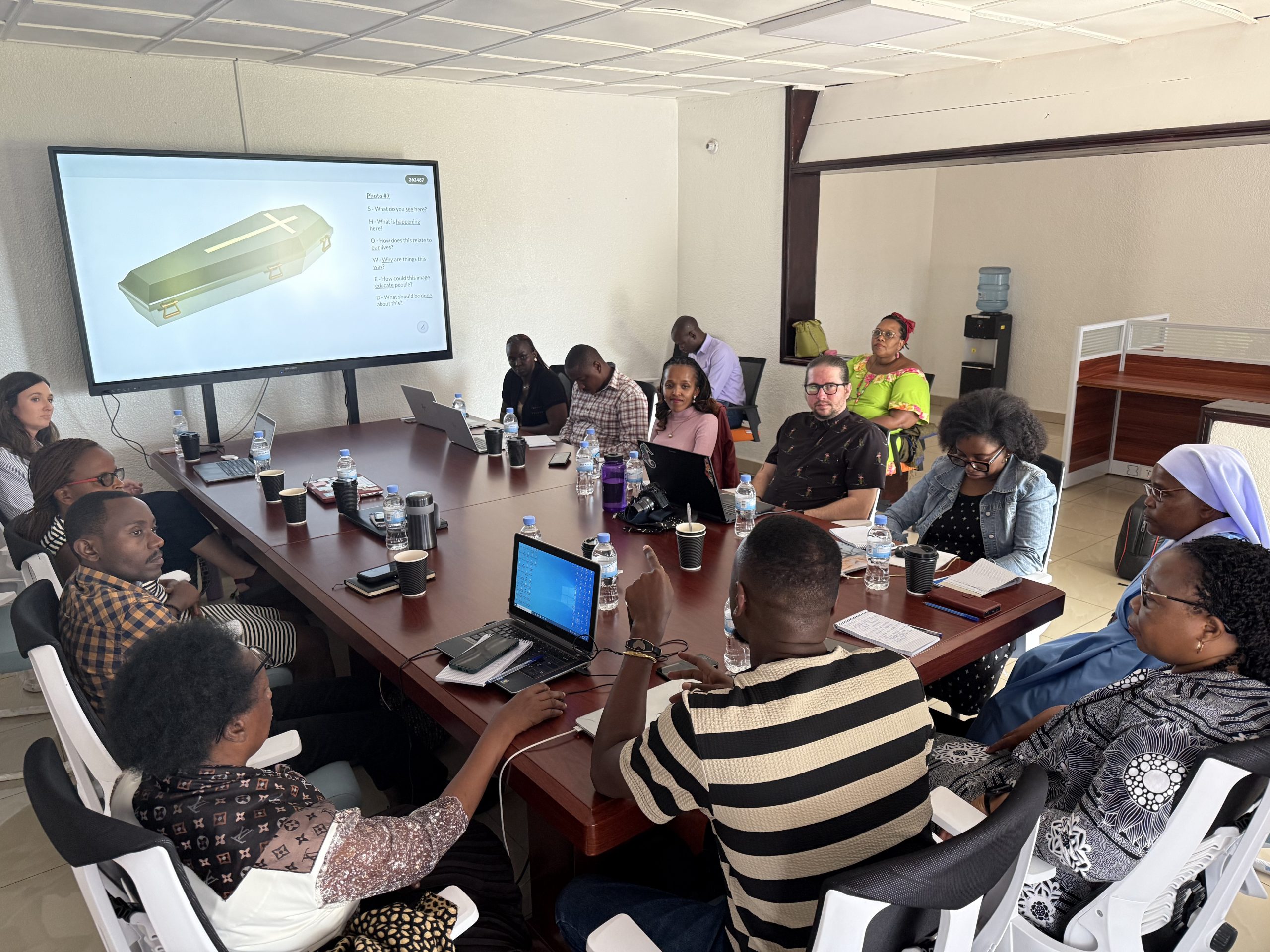
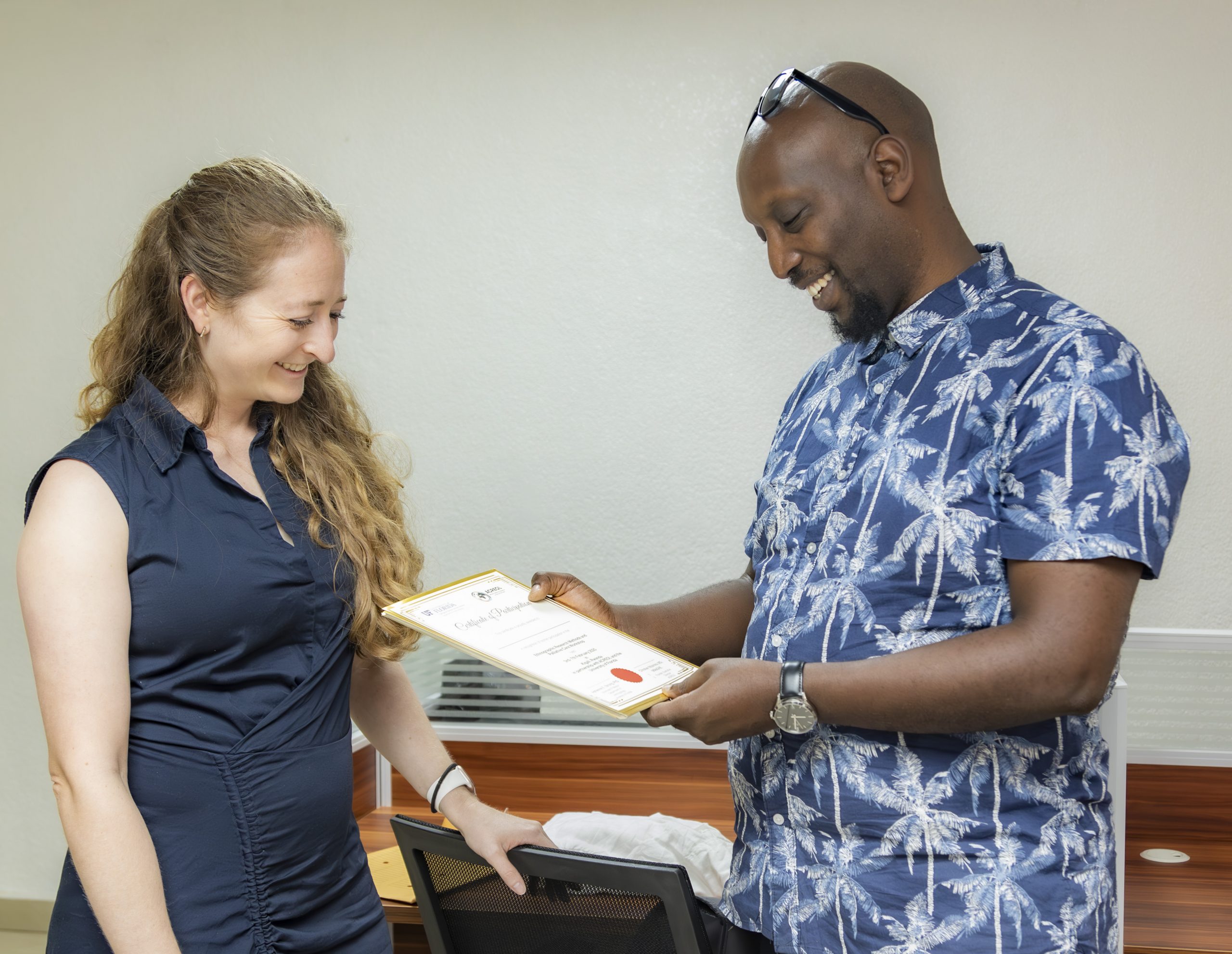
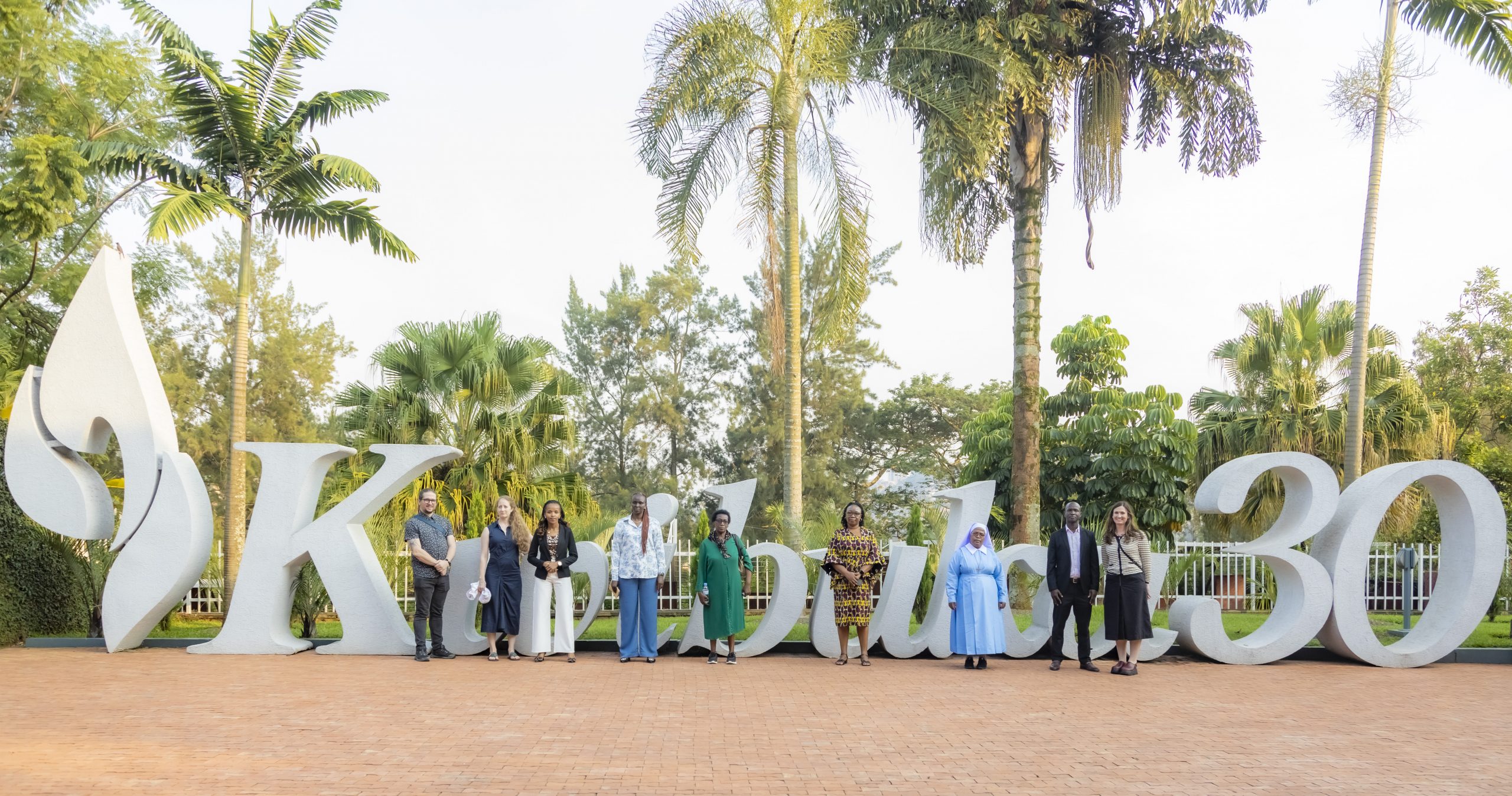
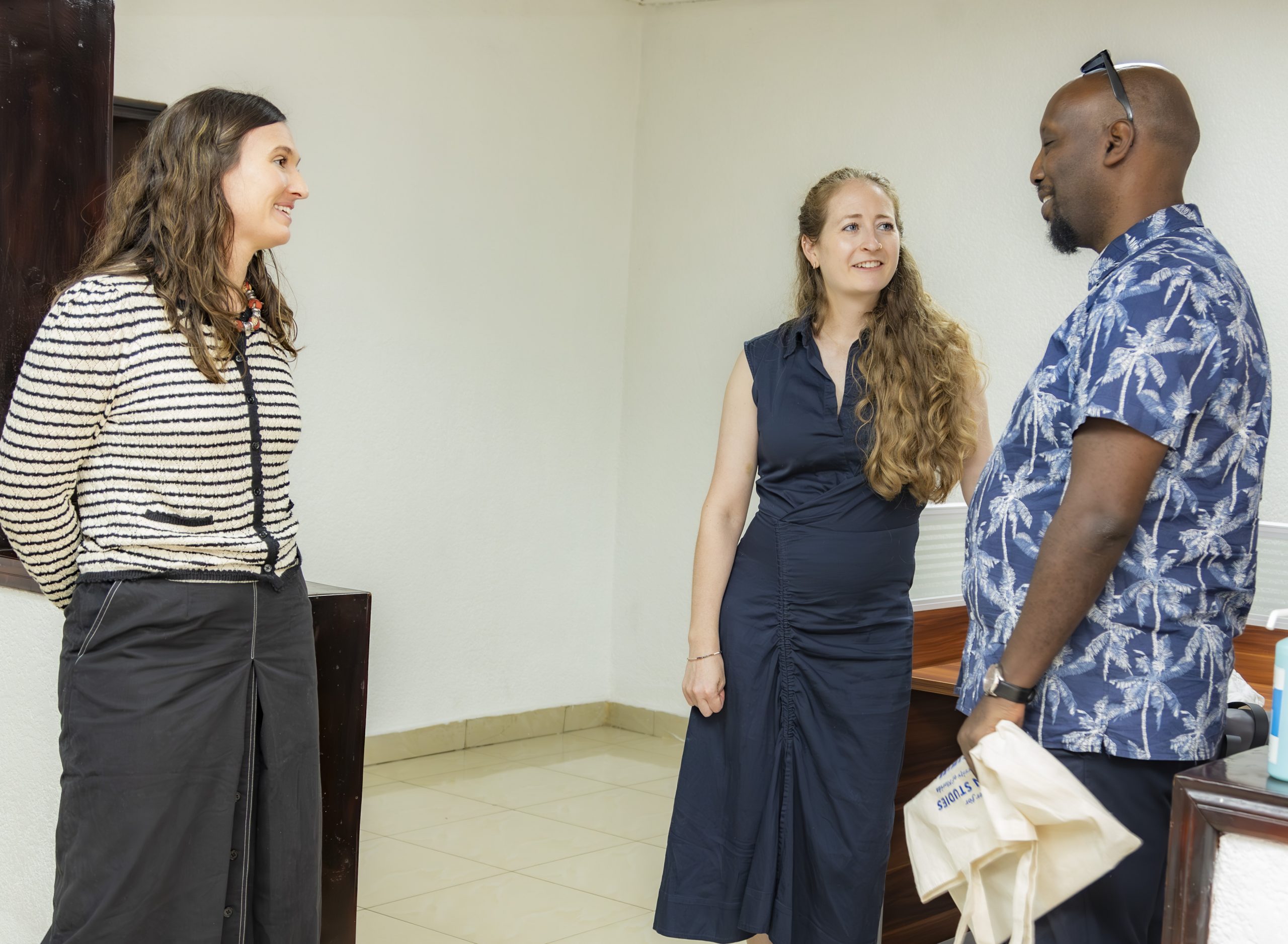
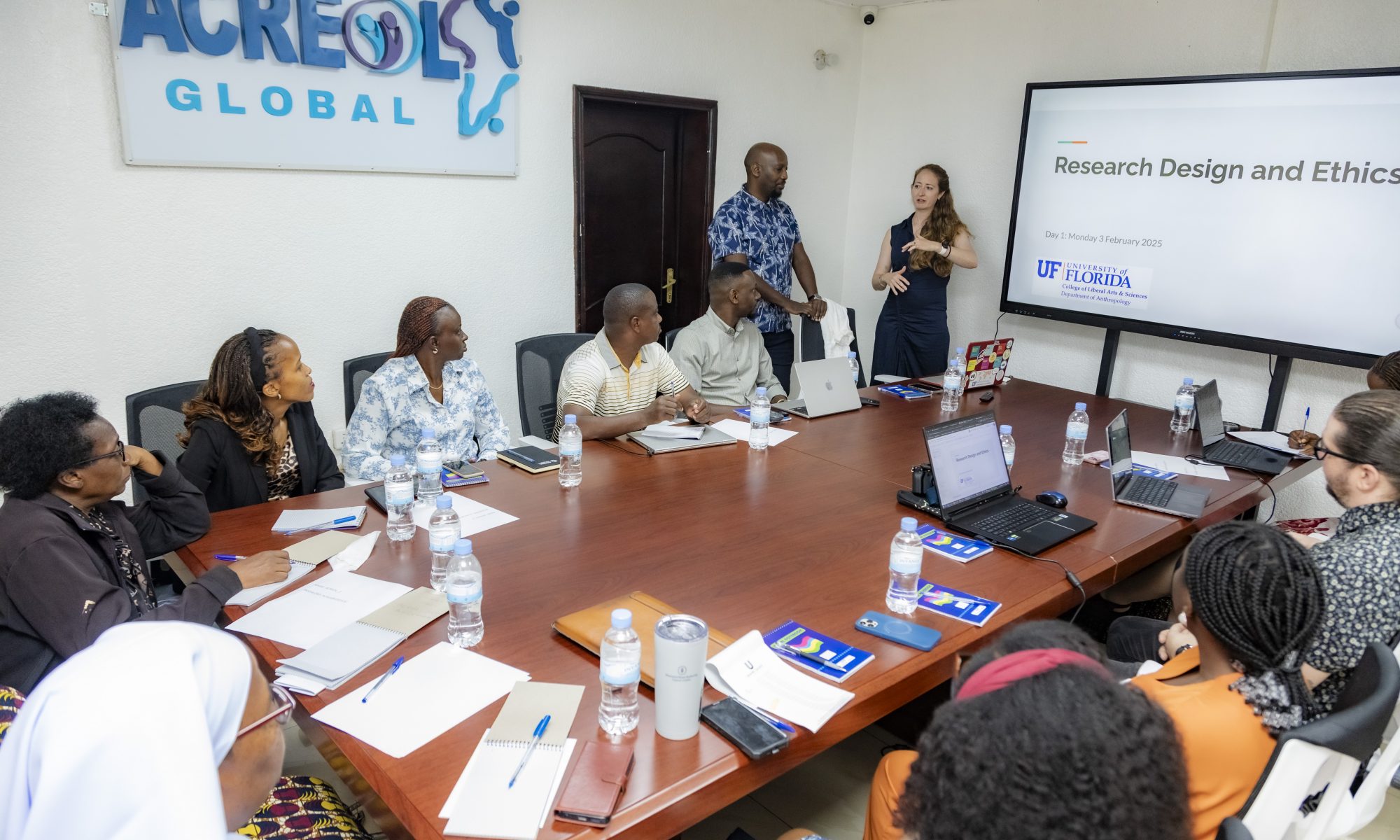
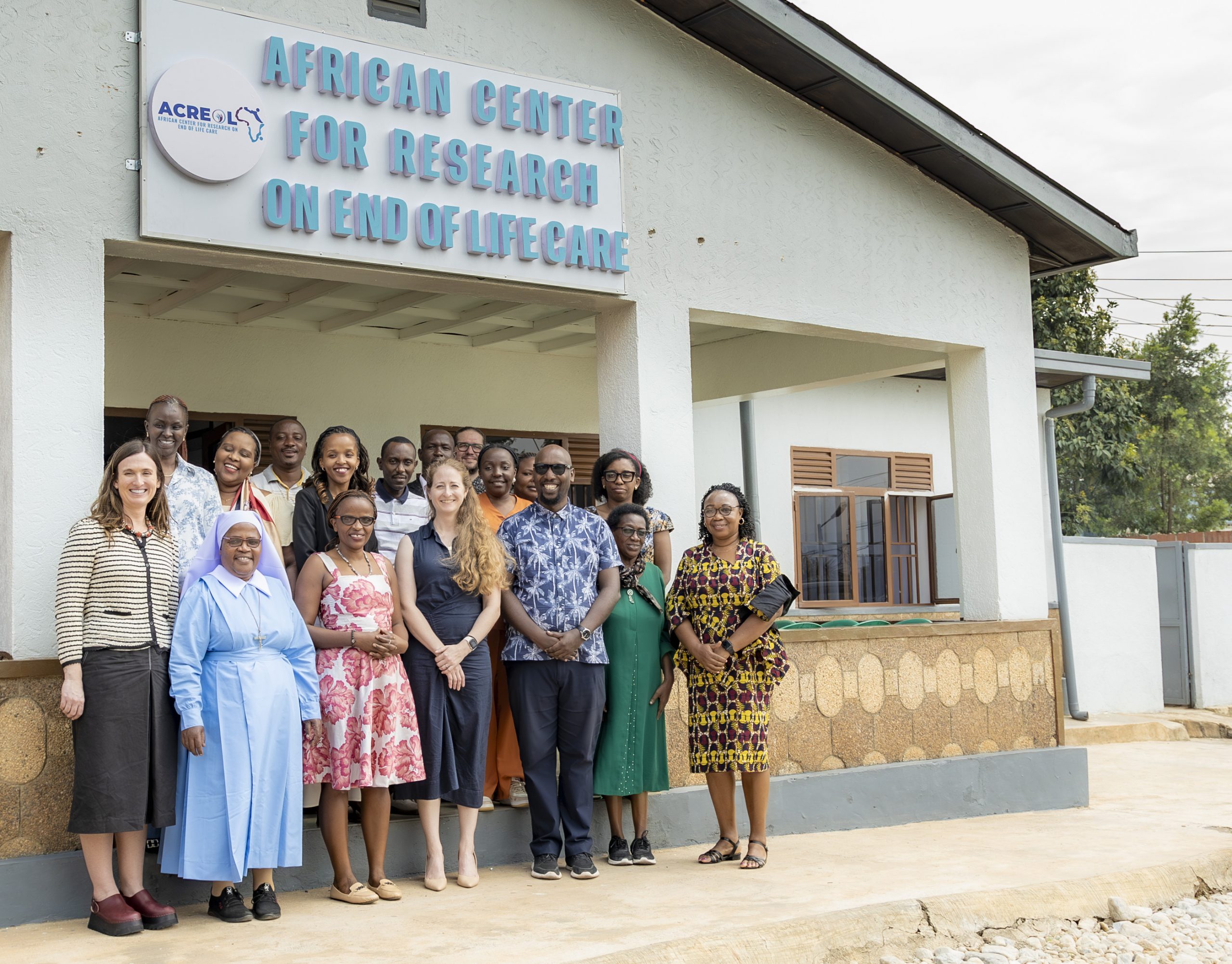
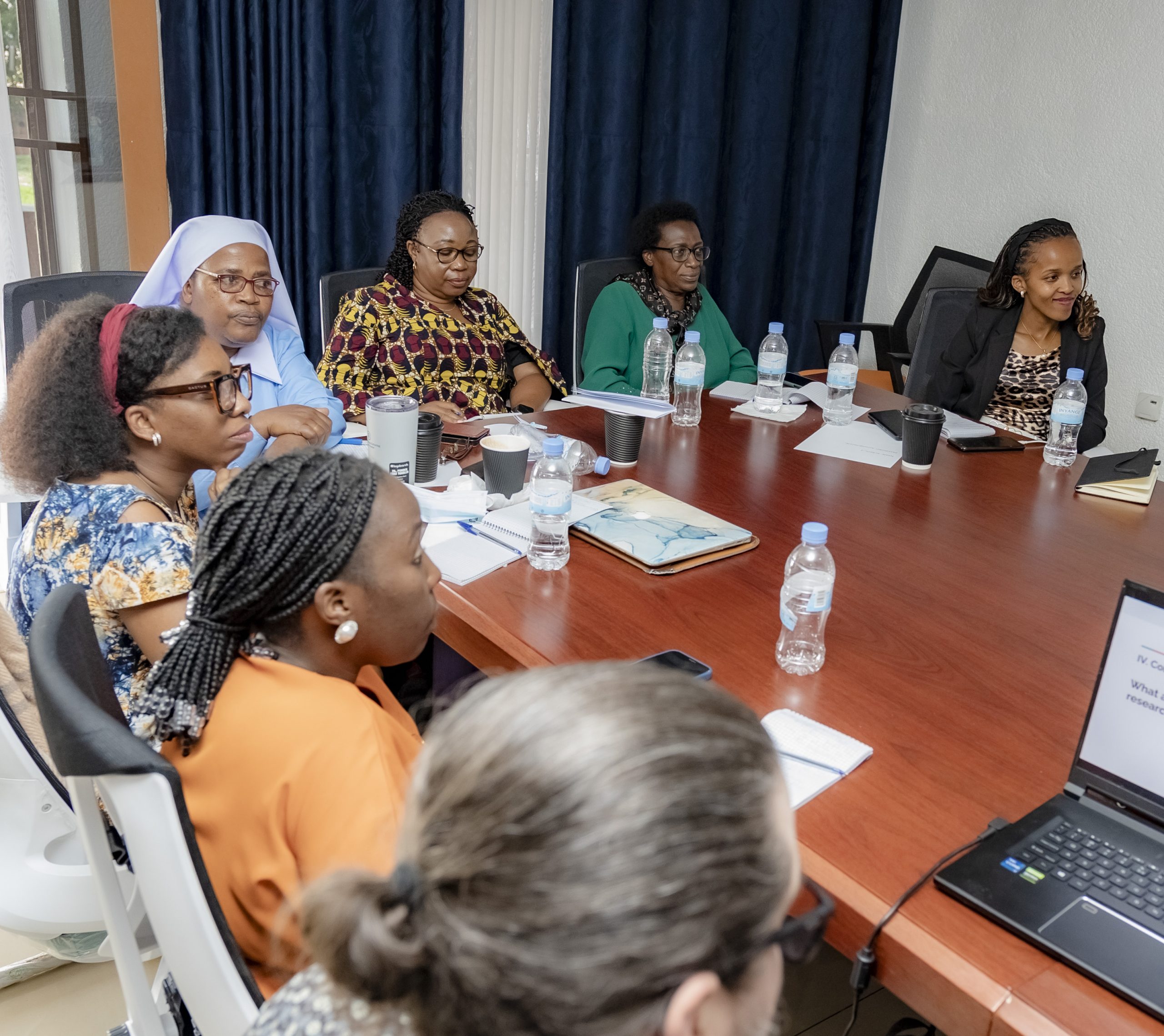
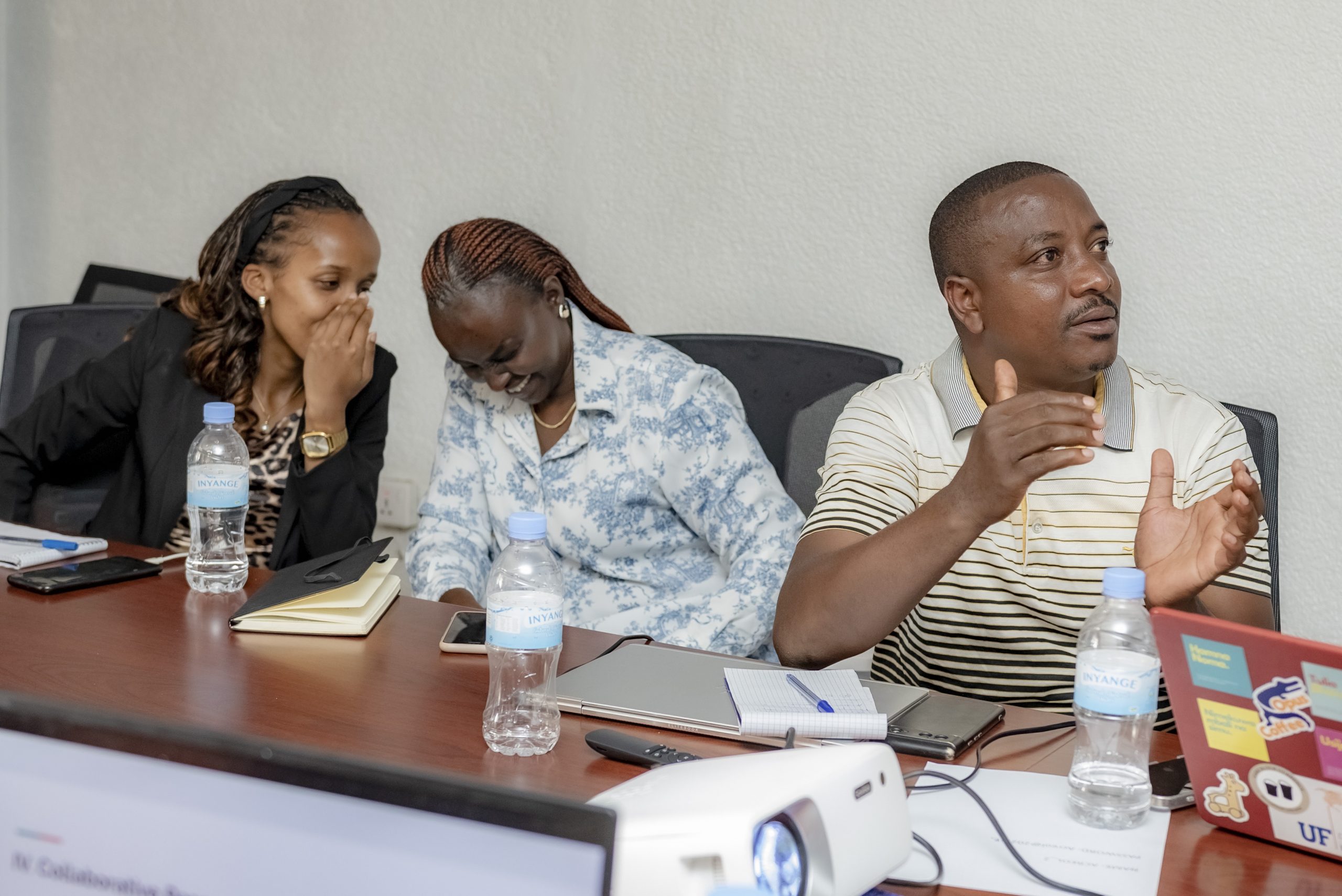
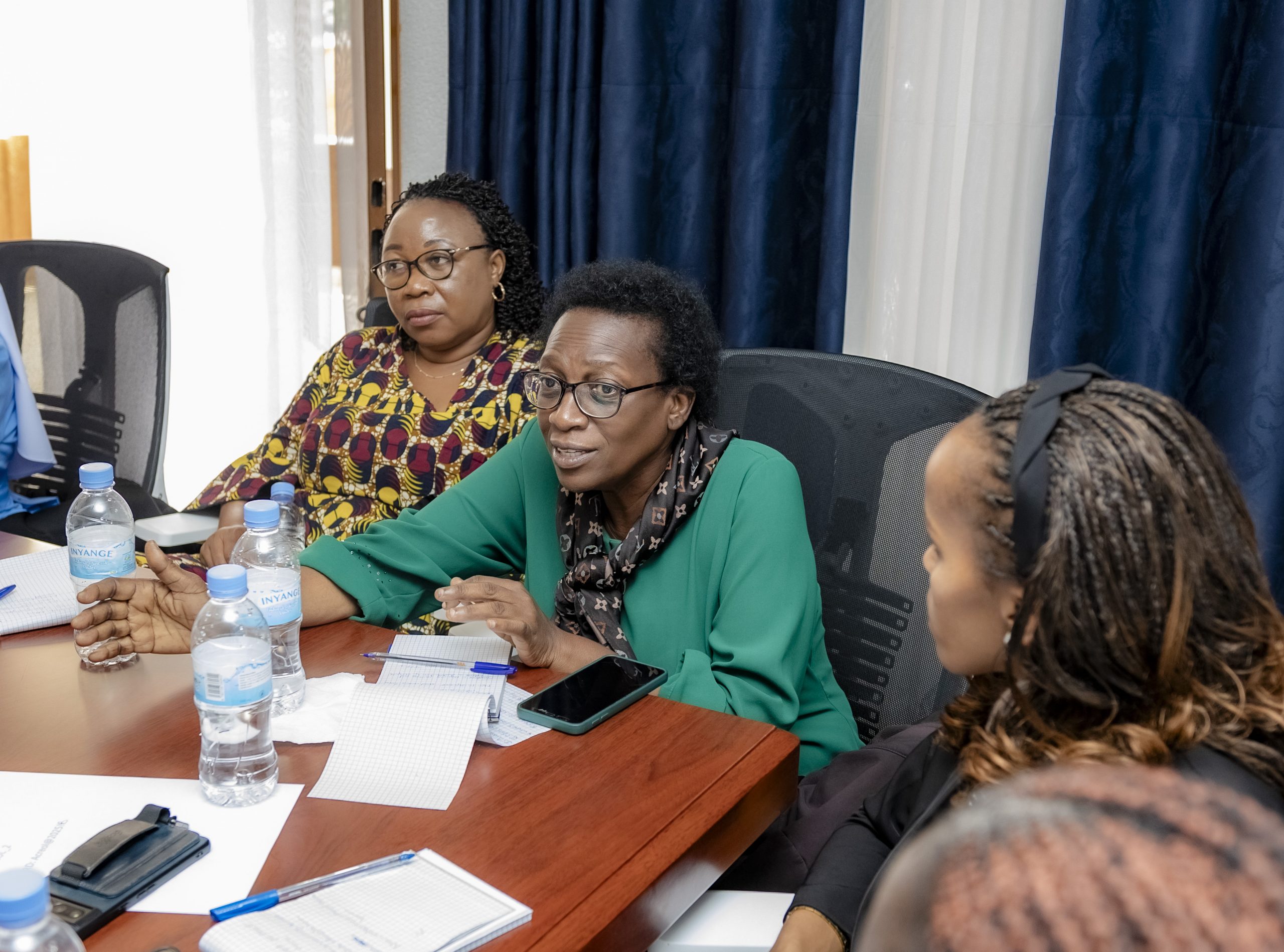
Together with Dr. Megan Cogburn (former postdoctoral researcher on the project and now UF Sociology faculty member) and Dr. Richard Powis from the University of South Florida, Dr. Strong convened a workshop on ethnographic methods and palliative care from February 3-7, 2025. The workshop represents one of the major broader impacts of the grant, bringing together researchers, clinicians, and palliative care policy experts in Kigali, Rwanda to learn about how anthropological methods can inform and empower the development of culturally relevant pain and palliative care practices. Over the week, the workshop participants:
– Learned about ethnography
– Developed open-ended interviewing skills
– Learned about text analysis and thematic coding
– Discussed research ethics in global and local terms
– Shared ideas about research directions in Rwanda and Tanzania
– Presented preliminary ideas for research projects in palliative care
– Networked and shared cross-cultural experiences